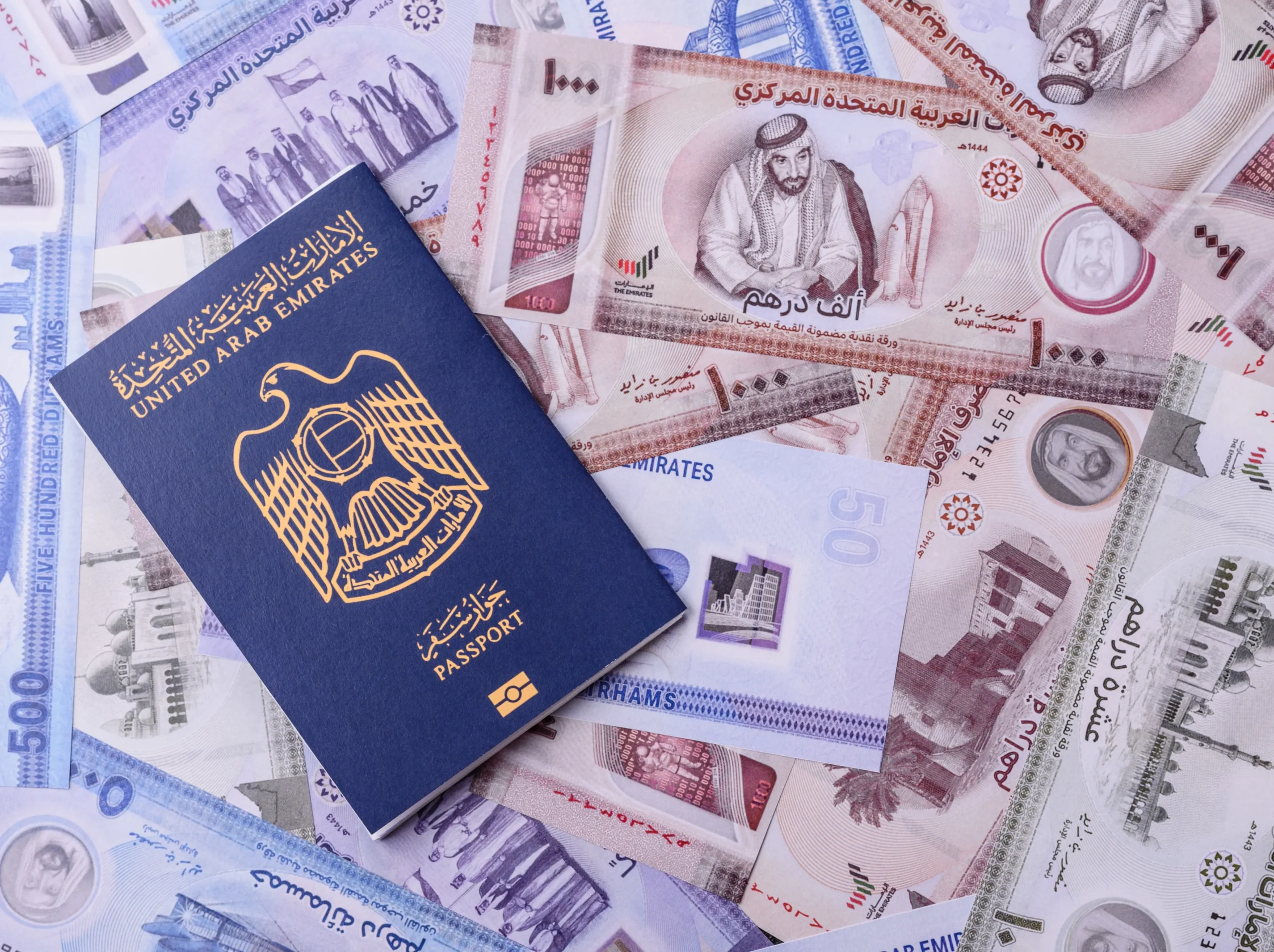


The global and local job markets are shifting sharply toward independence and flexible work, and professional growth is no longer limited to traditional offices or permanent employment contracts. At the heart of this economic shift, the Freelance Permit in Dubai has emerged as an ideal legal and strategic gateway that lets innovators, creatives and skilled professionals practice their work officially in the United Arab Emirates.
In this detailed article from ITQAN, we review everything about the steps to obtain a Freelance Permit in Dubai, the benefits it offers individuals, and how it fits into the official tax system so your business can grow smoothly and safely.
What Is a Freelance Permit and Who Benefits From It?
A Freelance Permit is an official legal document issued by the regulatory authorities and Free Zones in Dubai and the UAE. It gives individuals the right to offer their specialized professional services to companies and other bodies independently, without needing the sponsorship of a particular company or a full-time job. Obtaining a Freelance Permit in Dubai turns your personal skill into a legitimate business activity with an entity recognized by law.
The Freelance Permit in Dubai is designed to cover a wide range of vital fields built on thinking, creativity and technology. The main beneficiaries include:
- Media and entertainment: writers, translators, designers, content creators, directors and photographers.
- Technology and software: website and app developers, cybersecurity experts and data analysts.
- Education and consulting: trainers, teachers, and management and marketing consultants.
The Strategic Benefits of Getting a Freelance Permit in Dubai
The Freelance Permit in Dubai gives you an integrated package of investment and personal benefits that make it an ideal first step for entrepreneurs on limited budgets. The most important are:
1. Independent Legal Residency
Once you obtain a Freelance Permit in Dubai, you can apply for a multi-year UAE residence visa, giving you and your family full stability without needing a commercial sponsor or a traditional employer.
2. Opening a Business and Personal Bank Account
Many unregistered freelancers face serious obstacles in managing their money and collecting what they are owed. Once you hold a Freelance Permit in Dubai, you can go to local banks and open an official account to receive payments from clients inside and outside the country, easily and fully legally.
3. Financial Flexibility and Lower Operating Costs
Unlike major trade licenses that require renting physical offices of a set size or warehouses to store goods, the Freelance Permit in Dubai does not require a physical office. Shared workspaces (Smart Desks) in Free Zones are enough, which saves a large part of your capital to invest in developing your skills and marketing your services.

Steps to Get a Freelance Permit in Dubai
The application journey is shorter and simpler than setting up a full company, but every stage needs care, because a small mistake in choosing the activity or preparing the documents can delay approval for weeks. Here is the practical path ITQAN follows with its clients, step by step:
1. Choose Your Professional Activity
Everything starts with the activity. Each free zone publishes its own list of approved freelance activities, and the activity you choose decides which zone can issue your permit, what services you may legally offer, and how your work will be described on your invoices. Pick the activity that reflects what you actually do today, while leaving room for the services you plan to add later.
2. Select the Right Free Zone
Several free zones issue freelance permits, and they differ in the activities they cover, their fees, their visa packages and whether they require a visit to a business centre. In Dubai, the best-known route is the GoFreelance programme, which serves the media, technology, design and education communities. Other UAE free zones run their own freelance packages, so comparing them before you apply can save you money and time.
3. Prepare the Required Documents
Requirements vary slightly from one free zone to another, but most applications for a Freelance Permit in Dubai ask for a similar core file:
- Passport copy: valid for a sufficient period, together with your current UAE visa copy if you already live in the country.
- Personal photo: a recent passport-size photograph with a white background.
- CV and portfolio: proof of your experience and samples of your previous work in the chosen field.
- Educational certificates: required for some activities, especially in education, consulting and specialized technical fields.
- No Objection Certificate (NOC): needed from your current sponsor or employer if you hold an employment visa.
- Bank reference letter: requested by some free zones to confirm your financial standing.
4. Submit Your Application and Pay the Fees
Once the file is complete, the application is submitted online through the free zone portal. After the initial review, you receive an approval notice, sign the required documents and pay the permit fees. Applications with clear activity descriptions and complete documents are usually approved much faster.
5. Receive Your Permit and Apply for Residency
After payment, the Freelance Permit is issued electronically. If you need a residence visa, the next stage covers the establishment card, the entry permit or change of status, the medical fitness test, health insurance, Emirates ID biometrics and finally visa stamping. Each of these steps has its own fees and timeline.
6. Open Your Bank Account and Register for Tax
With your permit and Emirates ID in hand, you can open a bank account for your freelance income and complete your corporate tax registration. Doing both early keeps your finances separate, makes invoicing easier and protects you from late registration penalties.

How Much Does a Freelance Permit in Dubai Cost?
There is no single price, because the total depends on the free zone, the activity and whether you need a residence visa. When planning your budget, think of the cost in three main parts:
- The permit itself: the annual fee charged by the free zone for issuing the Freelance Permit, which varies between zones and packages.
- Residency costs: the establishment card, entry permit, medical test, Emirates ID and visa stamping, if you need a UAE residence visa.
- Running costs: health insurance, a shared desk where required, bank charges, and accounting and tax filing services.
Fees are reviewed regularly by the authorities, so always confirm the latest figures before you apply. ITQAN prepares a clear, itemised quote for your exact case, so you know the full cost from day one with no surprises.
Renewing Your Freelance Permit
A Freelance Permit is usually issued for one year and must be renewed before it expires. Renewal on time protects your residence visa, your bank account and your contracts with clients, while late renewal can lead to fines and service blocks. It is also the right moment to review your activity list, add new services and check that your tax filings are up to date.
The Tax Map for a Freelance Permit in Dubai
Many freelancers believe that working as an individual exempts them entirely from the tax system. This is a misconception that ITQAN always works to correct. A holder of a Freelance Permit in Dubai is legally treated as a person carrying out a business activity, and is therefore subject to the tax system run by the Federal Tax Authority (FTA), as follows:
First: Corporate Tax
Corporate tax in the UAE is applied at 9% on profits exceeding AED 375,000 per year. As a holder of a Freelance Permit in Dubai, you can benefit from excellent legal facilities to reduce your costs:
- Small Business Relief: If your total revenue earned through the Freelance Permit is below AED 3 million in the financial year, you may choose to be treated as “not subject to tax” and benefit from a 0% rate, with fully simplified returns.
- The AED 375,000 threshold: In all cases, the first AED 375,000 of your annual net profit is taxed at 0% automatically.
Second: Value Added Tax (VAT)
If you succeed in growing your business and expanding your client base through the Freelance Permit in Dubai, you need to watch the VAT (5%) registration thresholds:
- Mandatory registration: You must register if the value of your taxable services and sales exceeds AED 375,000 over the previous 12 months.
- Voluntary registration: You may register voluntarily to protect your business and recover your expenses if your taxable revenue or expenses fall between AED 187,500 and AED 375,000.
Tax Compliance: Registration and Filing
Always remember the golden rule: “Being exempt from paying does not mean being exempt from registering or filing a tax return!”
A holder of a Freelance Permit in Dubai must register for corporate tax through the “EmaraTax” platform to avoid the AED 10,000 late registration penalty, and must file periodic and annual financial returns on time, even if profits are zero.
Comparison: Freelance Permit vs. Specialized Trade Licenses
To decide whether the Freelance Permit in Dubai is the best option for your investment plan, or whether you need a full commercial license, let’s compare it with the main licenses available in Dubai:
1. General Trading License
The General Trading License is the strongest choice for trading, importing and exporting physical goods in large quantities and for setting up limited liability companies (LLCs). By contrast, the Freelance Permit in Dubai is limited to service and professional activities and individual consulting, and does not allow you to import goods or trade in physical products.
2. E-commerce License
If your investment goal is to build an online store to sell products or to broker trade online, the E-commerce License is the best option for you. But if you offer personal services such as designing that store or writing its content, the Freelance Permit in Dubai gives you sufficient legal cover without having to deal with the complexities of commercial licenses.

How to Deal With Tax Penalties and Cancel Them Legally
If your business run under a Freelance Permit in Dubai is hit with administrative penalties from the Federal Tax Authority for filing a return late or missing a registration step, the law guarantees your right to object and submit a formal waiver request through the approved legal channels.
Objection Channels
- Reconsideration Request: A formal request in Arabic, submitted electronically through the “EmaraTax” platform within 40 business days of the penalty being imposed, with the reasons explained and evidence attached.
- Tax Disputes Resolution Committee: Used if the reconsideration request is rejected, to escalate the file for review and a ruling.
Accepted Legal Grounds for Waiving a Penalty
The Authority requires an acceptable excuse beyond the Freelance Permit holder’s control to approve the waiver:
- Personal emergencies: For example, the Freelance Permit holder suffering a sudden serious illness or a force majeure event that directly prevented them from accessing the platform and following up their financial obligations on time.
- Technical failures: A documented technical fault in the Federal Tax Authority’s EmaraTax systems when trying to pay or file returns, or a general internet or telecoms outage beyond the freelancer’s control.
- Official relief initiatives: Such as the current corporate tax initiative that waives the late registration penalty (AED 10,000), provided the first annual tax return for the Freelance Permit is filed by its due date without delay.

Frequently Asked Questions About the Freelance Permit in Dubai
Can I get a Freelance Permit while I am employed in the UAE?
Yes, in many cases. If you hold an employment visa, you will usually need a No Objection Certificate from your employer, and you must make sure your freelance work does not conflict with your employment contract.
Does a Freelance Permit give me a UAE residence visa?
The permit itself is a work authorization, but it allows you to apply for a residence visa linked to it. Most free zones offer visa packages for freelancers, and your family can be sponsored once you meet the requirements.
Can I work with clients in mainland Dubai?
Generally, freelancers can serve clients across the UAE and abroad, but the exact scope depends on the free zone rules and your licensed activity. ITQAN reviews your activity and client base to make sure you stay compliant.
Do I need an office to hold a Freelance Permit?
No physical office is required. A shared desk or a flexible workspace in the free zone is usually enough, which keeps your operating costs low.
Do freelancers have to register for corporate tax?
Yes. A Freelance Permit holder is treated as a person carrying out a business activity, so registration and annual filing are required even when no tax is due, to avoid the AED 10,000 late registration penalty.
Can I upgrade from a Freelance Permit to a company later?
Absolutely. Many freelancers start with a permit and move to a full company license once their client base grows or they want to hire staff or trade in goods. ITQAN helps you plan that move at the right time.
How long does it take to get a Freelance Permit in Dubai?
When the documents are complete and the activity is clearly defined, the permit itself can often be issued within a few working days to a couple of weeks. The residence visa stage usually takes extra time, because it includes the medical test, Emirates ID biometrics and visa stamping.
Which activities are most in demand for freelancers?
Some of the most popular choices are content writing, translation, graphic and web design, software development, digital marketing, photography, training and business consulting. Choosing an activity that matches real demand in the UAE market helps you win clients faster and grow your income with confidence.
How Does ITQAN Help You Get and Manage Your Freelance Permit?
Entering the world of financial independence and starting your own business through a Freelance Permit in Dubai calls for careful study and a precise understanding of all legal obligations and regulatory procedures in Dubai, to ensure a strong start free of bureaucratic obstacles or unexpected financial penalties.
At ITQAN, we do not see the Freelance Permit in Dubai as just an official paper to be issued. We see it as the cornerstone of your professional and investment future in the UAE. That is why our team provides integrated solutions and services that include:
- Specialized legal consultation: We help you review the list of available activities and choose the most accurate one that matches your skills and experience, to issue the Freelance Permit best suited to your work.
- Processing transactions and licenses: Our experts complete all application procedures for the Freelance Permit and the residence visa linked to it, and follow up government approvals on your behalf, saving you time and effort to build and develop your business.
- Accounting and tax compliance: We ensure correct tax registration for your Freelance Permit with the Federal Tax Authority, and help you prepare and organize your invoices and file your tax returns accurately and professionally, fully protecting you from late penalties.
Start your journey toward independence and investment excellence in a safe and encouraging economic environment. Get your Freelance Permit in Dubai, open your bank account, and organize your financial and legal position with complete confidence alongside ITQAN’s experts. Contact us today to take your first steps toward success with clarity and security!